
Bellevue Roof Inspection Checklist for PNW Weather
February 2, 2026
•
Written By
Diamond Roofers LLP
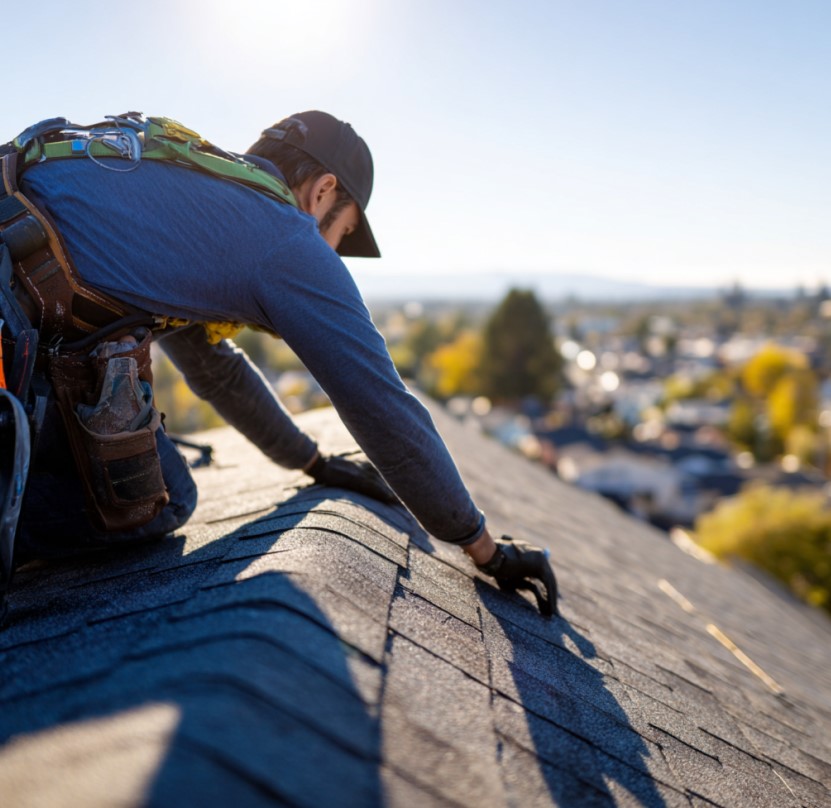
Living in Bellevue means enjoying evergreen views, misty mornings, and seasons that blur together in a steady cycle of rain, wind, and moisture. It also means your roof quietly takes a beating year-round. Moss creeps in, flashing loosens, and small issues can turn into expensive surprises if they go unchecked.
That’s why having a practical, PNW-specific roof inspection checklist matters. Whether you’re a homeowner trying to stay ahead of repairs or just wondering if your roof can survive another wet winter, this guide breaks it all down in plain English—no scare tactics, no fluff, just solid advice that works in the Pacific Northwest.
Key Takeaways Before You Climb the Ladder (or Call a Pro)
- PNW weather accelerates wear from moisture, moss, and wind
- Seasonal inspections catch small problems before they turn costly
- Interior signs are just as important as exterior damage
- Safety matters—some checks are better left to professionals
- A local roofing expert understands Bellevue’s unique challenges
Why Is Roof Inspection So Important in Bellevue’s Climate?
Bellevue’s weather demands more from your roof than most regions
In the Pacific Northwest, roofs don’t fail dramatically—they slowly surrender. Constant moisture seeps into weak spots, organic growth spreads, and wind-driven rain finds every tiny opening. Unlike hotter climates where sun damage is the enemy, Bellevue roofs struggle most with saturation and rot.
If inspections are skipped, damage often stays hidden until it shows up as a leak, stained ceiling, or sagging deck. By then, repairs are bigger, messier, and more expensive than they needed to be.
Regular inspections help you:
- Prevent water intrusion before it starts
- Extend the life of shingles and flashing
- Maintain energy efficiency
- Avoid emergency repairs during storms
When Should Bellevue Homeowners Inspect Their Roofs?
Timing inspections around PNW seasons saves money and stress
In this region, once a year isn’t enough. Bellevue homeowners should aim for at least two inspections annually, plus checks after major storms.
The best times include:
- Early spring to assess winter damage
- Late fall to prepare for heavy rain and wind
- After windstorms or prolonged rainfall
Waiting until water enters your home means the damage is already done. Proactive inspections are far less disruptive—and far easier on your wallet.
What Should You Look for on the Roof Surface?
Shingles and roofing materials tell the first part of the story
From the ground or a safe ladder, inspect the overall condition of your roofing material. In Bellevue, moisture-related deterioration is common even on newer roofs.
Watch for:
- Curling, cracked, or missing shingles
- Bald spots where granules have worn away
- Uneven surfaces or visible sagging
- Dark streaks caused by algae or moss
If shingles look soft, warped, or brittle, moisture has likely compromised them. That’s a sign it’s time to bring in a professional before leaks follow.

How Do You Spot Moss, Algae, and Organic Growth?
Green may be beautiful in Bellevue—just not on your roof
Moss thrives in damp, shaded areas, making Bellevue roofs prime real estate. While it may look harmless, moss lifts shingles and traps moisture against the roof surface.
Common problem areas include:
- North-facing slopes
- Shaded sections near trees
- Valleys where debris collects
Never scrape moss aggressively. Improper removal can damage shingles and shorten roof life. Professional treatments remove growth safely while preventing regrowth.
Why Are Gutters and Drainage Systems So Critical?
Water control is everything in a rainy climate
Your roof doesn’t work alone—gutters and downspouts are part of the system. When they fail, water backs up under shingles and into fascia boards.
During inspections, check for:
- Clogged or overflowing gutters
- Loose or detached sections
- Standing water after rainfall
- Rust or corrosion
Clear gutters allow water to move away from your home instead of soaking into it. In the PNW, this step alone can prevent thousands in water damage.
What Are the Most Overlooked Flashing and Seal Issues?
Flashing failures cause some of the most expensive leaks
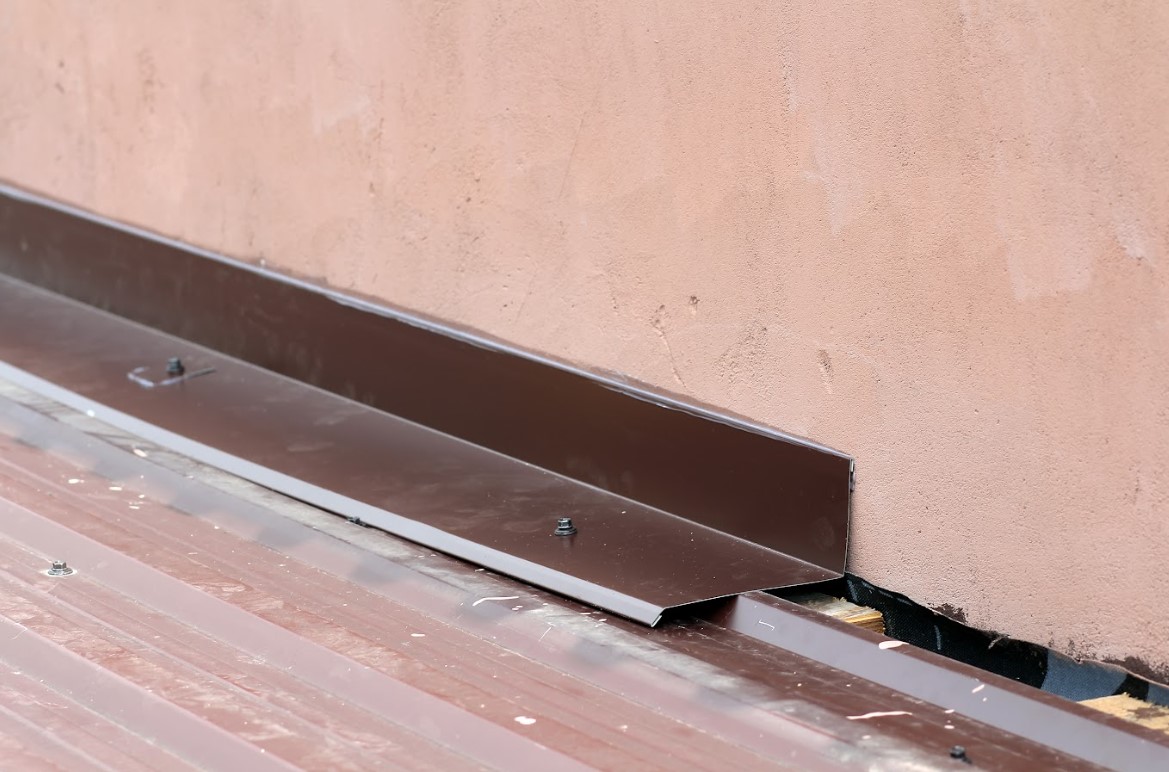
Flashing seals the joints where roofs meet chimneys, vents, skylights, and walls. These areas expand and contract with temperature changes, making them vulnerable.
Signs of flashing trouble include:
- Rusted or cracked metal
- Loose edges or gaps
- Dried, crumbling sealant
Because flashing problems are hard to spot without training, this is one area where professional inspections make a big difference.
What Can You Check Inside Your Home?
Interior clues often appear before exterior damage is obvious
Some roof problems show up indoors first. During your inspection, take a slow walk through your attic and top-floor rooms.
Look for:
- Water stains on ceilings or walls
- Musty odors in the attic
- Damp insulation
- Light shining through roof boards
These signs mean moisture is already entering your home—and action should be taken quickly.
Is It Safe to Inspect Your Roof Yourself?
Knowing your limits protects more than just your roof
Basic visual checks from the ground are safe for most homeowners. Walking on a wet or moss-covered roof in Bellevue, however, is risky.
Professional roofers have:
- Safety equipment
- Training to spot hidden issues
- Experience with PNW-specific damage
If you’re unsure, it’s better to call a pro than risk injury or accidental damage.
Roof Talk Without the Jargon: Common Bellevue Questions Answered
Straight answers for homeowners who just want clarity
Homeowners ask a lot of the same questions—and for good reason. Roofing can feel overwhelming without clear guidance.
How long should a roof last in Bellevue?
Most asphalt shingle roofs last 20–25 years here, though heavy moss or poor ventilation can shorten that lifespan.
Does rain alone cause roof damage?
Rain isn’t the problem—it’s prolonged moisture exposure combined with poor drainage or aging materials.
Can small leaks wait until summer?
Small leaks grow fast in wet climates. Waiting often means more structural damage and higher repair costs.
Is moss removal really necessary?
Yes. Moss holds water against shingles, accelerating deterioration and increasing leak risk.
Should inspections be done even on newer roofs?
Absolutely. Early inspections protect your investment and catch installation issues before warranties expire.
How Do You Bring It All Together for Long-Term Roof Protection?
Consistent inspections are the quiet hero of roof longevity
A roof inspection checklist isn’t about fear—it’s about control. When you understand what to look for and when to act, you avoid surprise repairs and extend the life of your roof.
In Bellevue’s relentless weather, consistency beats reaction every time.
Ready to Put This Checklist to Work?
Trusted local help makes all the difference
If you want peace of mind without climbing ladders or guessing what’s wrong, Diamond Roofers LLC is here to help. Serving homeowners across the Pacific Northwest, our team understands exactly what Bellevue roofs face—and how to protect them.
From detailed inspections to honest recommendations, we make roofing straightforward and stress-free.
Contact Diamond Roofers LLC today and make sure your roof is ready for whatever the PNW skies throw your way.
Recent Articles
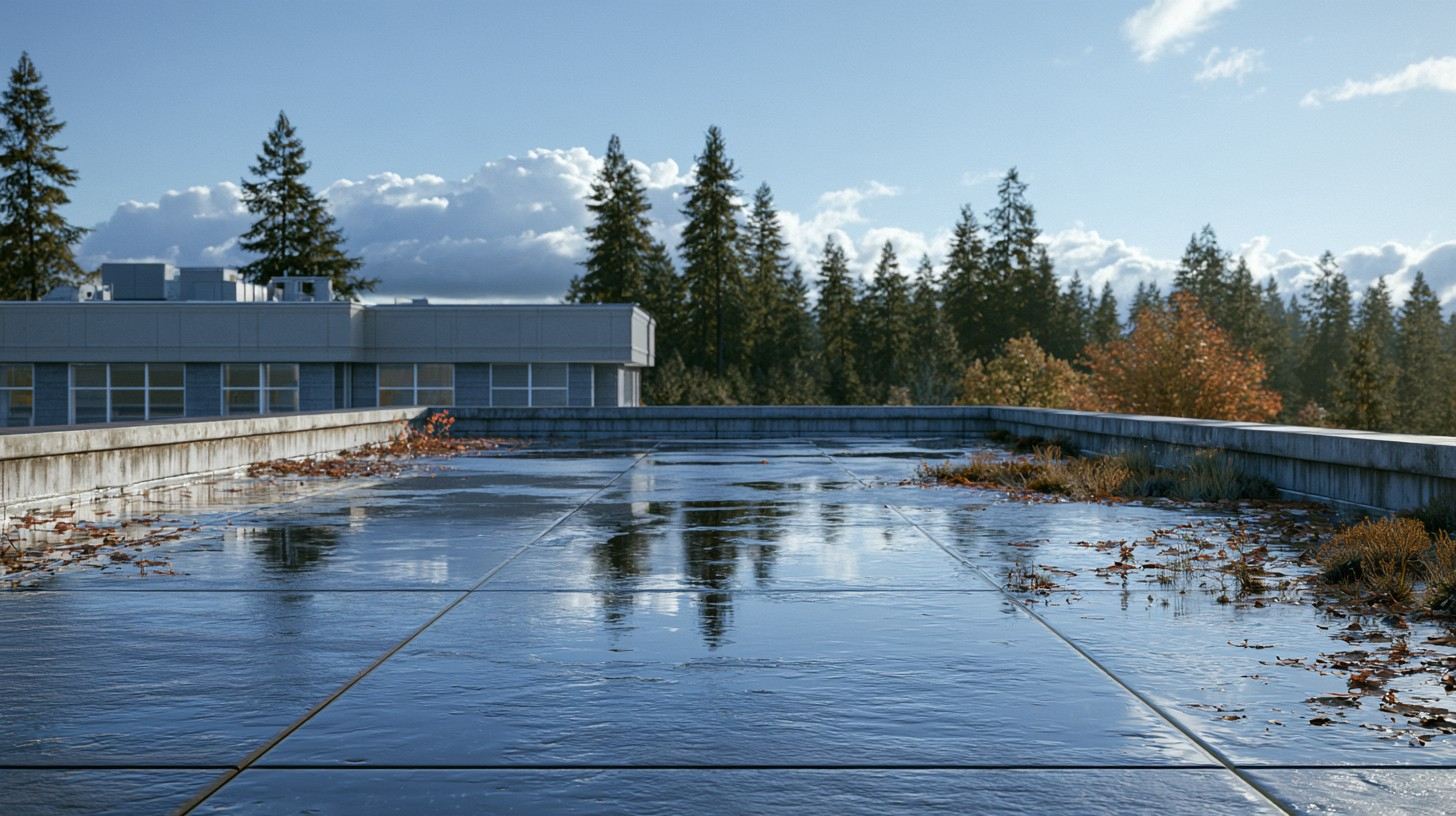
Why Ponding Water on Your Flat Commercial Roof Is a Bigger Problem Than It Looks
September 16, 2026

Commercial Roofing
Why Mercer Island Businesses Need Roof Maintenance
A maintained commercial roof protects not just your building, but your inventory, your equipment, your tenants, and your liability exposure.
March 23, 2026
Commercial Roofing
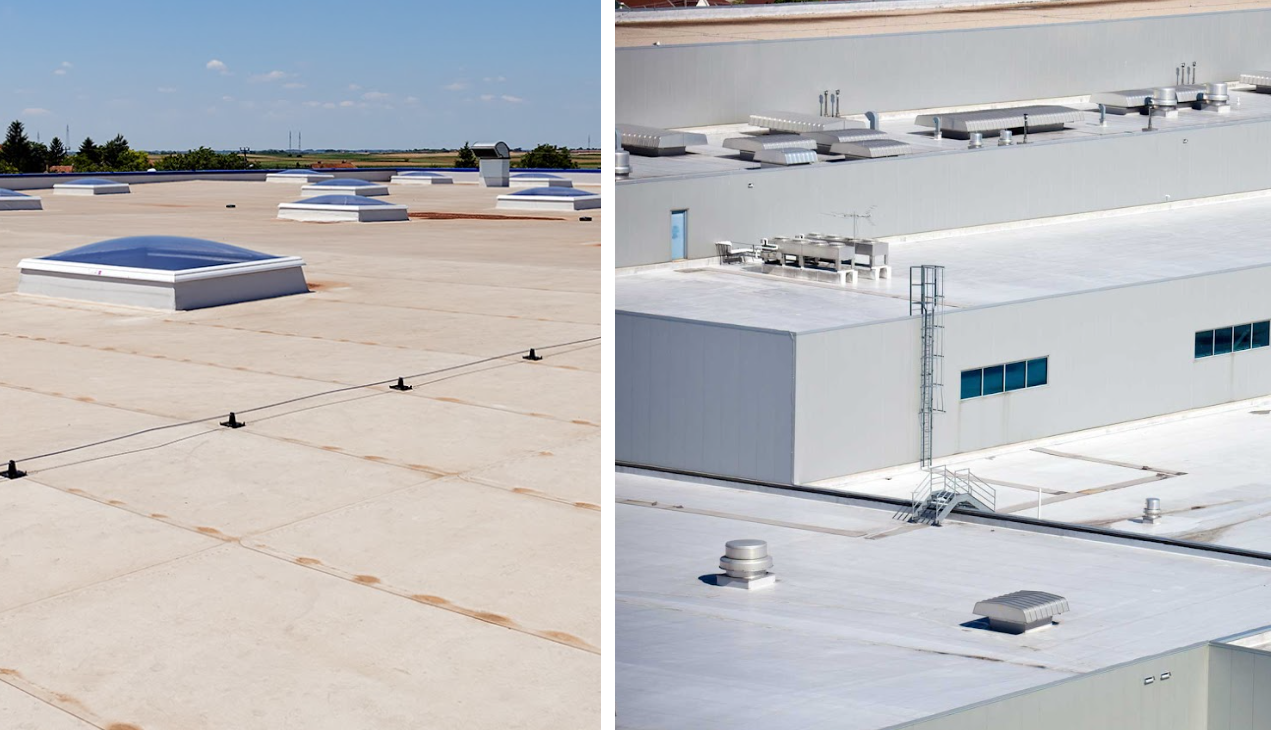
Flat vs. Low-Slope Roofs in Tacoma, WA (Pros & Cons)
Flat and low-slope roofs are not the same thing, the difference in pitch affects drainage, material choice, and long-term performance significantly.
March 12, 2026

Commercial Roofing
Low-Slope Roofing Basics for Federal Way Buildings
This guide breaks down what low-slope roofing really is, why it behaves differently in the Pacific Northwest, and how to keep it performing year after year.
February 9, 2026