
Low-Slope Roofing Basics for Federal Way Buildings
February 9, 2026
•
Written By
Diamond Roofers LLP

Low-slope roofs don’t get much love. They sit quietly on top of warehouses, office buildings, retail centers, and multifamily properties, doing the unglamorous work of keeping water out. In Federal Way, where rain is less of a season and more of a lifestyle, that quiet work matters a lot.
If you own or manage a building with a low-slope roof, understanding the basics can save you from leaks, downtime, and expensive surprises. This guide breaks down what low-slope roofing really is, why it behaves differently in the Pacific Northwest, and how to keep it performing year after year—without the technical jargon.
Key Takeaways for Federal Way Property Owners
- Low-slope roofs manage water differently than steep-slope systems
- Drainage, seams, and membrane condition matter more than appearance
- PNW weather puts constant pressure on low-slope materials
- Regular inspections prevent small issues from becoming major disruptions
- Local experience makes a measurable difference in roof performance
What Is a Low-Slope Roof and Why Is It So Common in Federal Way?
Low-slope roofs are designed for function, not aesthetics
A low-slope roof typically has a pitch of less than 3:12, meaning it appears almost flat from the ground. These roofs are widely used on commercial and multifamily buildings because they’re cost-effective, easier to install over large areas, and allow space for HVAC equipment.
In Federal Way, low-slope systems are especially common on:
- Retail plazas and strip malls
- Warehouses and industrial buildings
- Apartment complexes and condos
- Medical and office facilities
The tradeoff is that low-slope roofs don’t shed water as quickly. That makes proper design, materials, and maintenance absolutely essential in a wet climate.
Why Does Federal Way’s Weather Challenge Low-Slope Roofs?
Persistent moisture exposes every weakness over time
Rain in the Pacific Northwest isn’t usually torrential—it’s steady. That steady moisture puts long-term stress on low-slope roofs, especially where water ponds or drainage is slow.
Common weather-related challenges include:
- Standing water after storms
- Gradual membrane deterioration
- Seam separation from thermal movement
- Mold or algae growth
Unlike steep roofs, low-slope systems rely on waterproof membranes rather than gravity. When those membranes fail, leaks don’t drip—they spread.
What Are the Most Common Low-Slope Roofing Materials?
Material choice shapes performance, lifespan, and maintenance needs
Not all low-slope roofs are built the same. Each material handles moisture, foot traffic, and temperature shifts differently.
Popular options in Federal Way include:
- TPO roofing for energy efficiency and heat reflection
- EPDM roofing for flexibility and durability
- Modified bitumen for layered protection
- PVC roofing for chemical resistance and strength
Choosing the right system depends on building use, budget, and exposure. A warehouse roof and a medical office roof have very different demands, even in the same city.
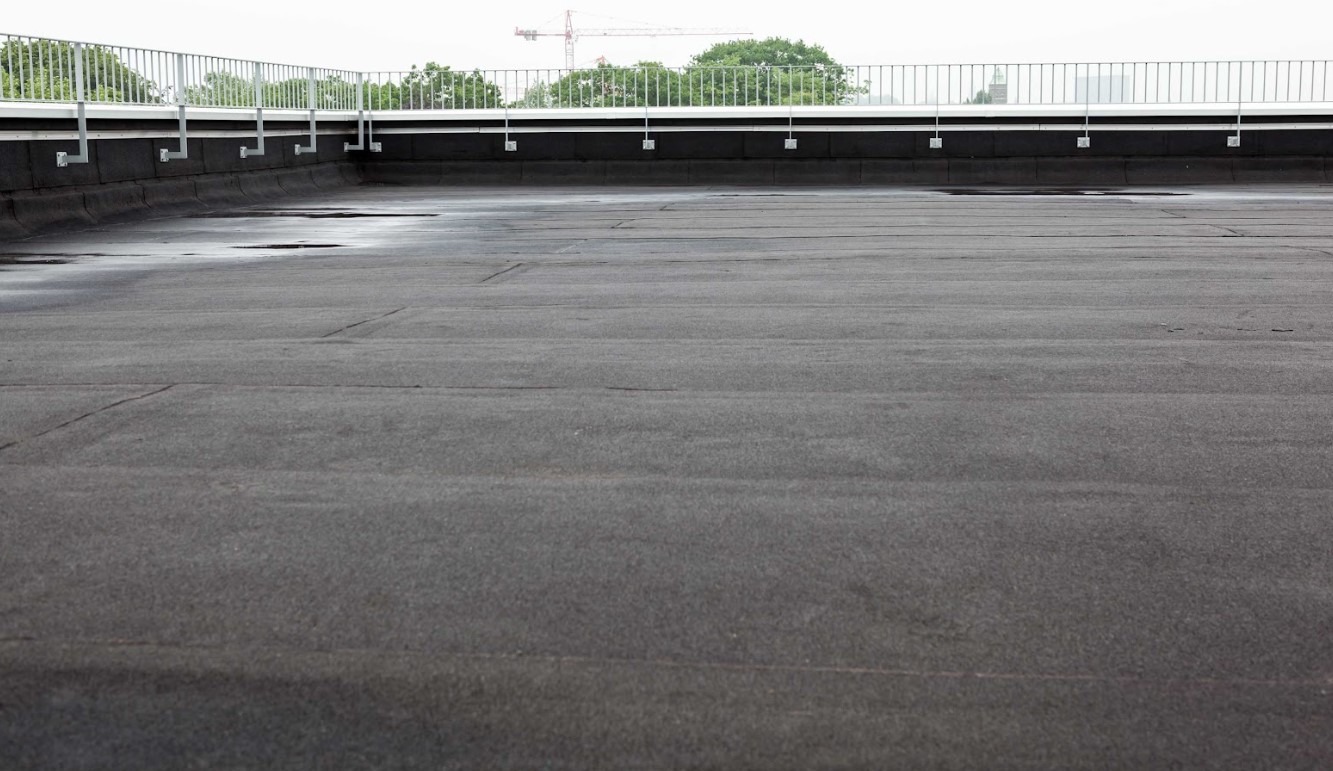
How Does Drainage Make or Break a Low-Slope Roof?
Water that doesn’t move eventually finds a way in
Drainage is the single most important factor in low-slope roof performance. Even the best membrane will fail if water sits on it long enough.
Key drainage components to monitor include:
- Internal drains and scuppers
- Tapered insulation for water flow
- Clear gutters and downspouts
- Overflow drains for heavy rain events
In Federal Way, clogged drains are one of the leading causes of commercial roof leaks. Routine cleaning and inspection can prevent costly interior damage.
Where Do Low-Slope Roofs Fail Most Often?
Seams, penetrations, and edges deserve extra attention
Low-slope roofs don’t usually fail in the middle of the field. Problems start where materials meet, move, or break through the surface.
High-risk areas include:
- Seams between membrane sheets
- Flashing around vents, pipes, and HVAC units
- Roof edges and parapet walls
- Skylight curbs and equipment pads
Because these areas expand and contract with temperature changes, they should be inspected regularly—especially after seasonal shifts.
What Should Routine Low-Slope Roof Maintenance Include?
Consistent care beats emergency repairs every time
Maintenance isn’t glamorous, but it’s far cheaper than replacing a damaged roof or dealing with tenant complaints.
A solid maintenance plan often includes:
- Biannual professional inspections
- Clearing debris from drains and surfaces
- Resealing seams and flashing as needed
- Addressing minor punctures promptly
For building owners in Federal Way, maintenance is less about perfection and more about consistency. Small actions done regularly prevent big disruptions later.
Can You Spot Low-Slope Roof Problems from Inside the Building?
Interior signs often reveal exterior issues
Low-slope roof leaks don’t always announce themselves with dripping water. Often, they show up quietly.
Watch for:
- Ceiling stains or bubbling paint
- Musty odors in upper floors
- Sudden humidity changes
- Mold growth near vents or walls
If you see these signs, the roof may already be compromised. Early intervention limits damage and repair scope.
Straight Talk From the Rooftop: Questions Federal Way Owners Always Ask
Real answers to common low-slope roofing concerns
How long does a low-slope roof last in the PNW?
Most systems last 20–30 years with proper maintenance, though neglect can shorten that timeline significantly.
Is standing water always a problem?
Some ponding is expected, but water that remains longer than 48 hours needs attention.
Can low-slope roofs be repaired instead of replaced?
Often, yes. Targeted repairs and coatings can extend roof life when caught early.
Are inspections really necessary every year?
In wet climates like Federal Way, annual inspections help catch seam and drainage issues before leaks occur.
Does foot traffic damage low-slope roofs?
Unprotected foot traffic can puncture membranes. Walk pads and access planning reduce this risk.
How Do You Protect Your Building Long-Term?
Knowledge plus local expertise keeps roofs working
Low-slope roofing isn’t complicated—but it is unforgiving. Small oversights in drainage, seams, or maintenance add up fast in the Pacific Northwest.
Understanding how your roof works allows you to make smarter decisions, plan budgets, and avoid emergency calls during the rainy season.
Ready to Put Low-Slope Roofing Knowledge Into Action?
A smarter roof starts with the right local partner
If your building in Federal Way has a low-slope roof, Diamond Roofers LLC is here to help you protect it. Serving the Pacific Northwest, our team understands how local weather impacts commercial roofing systems—and how to design, maintain, and repair them the right way.
From inspections to long-term solutions, we bring clarity, experience, and straight-talk service to every roof we touch.
Contact Diamond Roofers LLC today and make sure your low-slope roof is ready for whatever the PNW sends its way.
Recent Articles
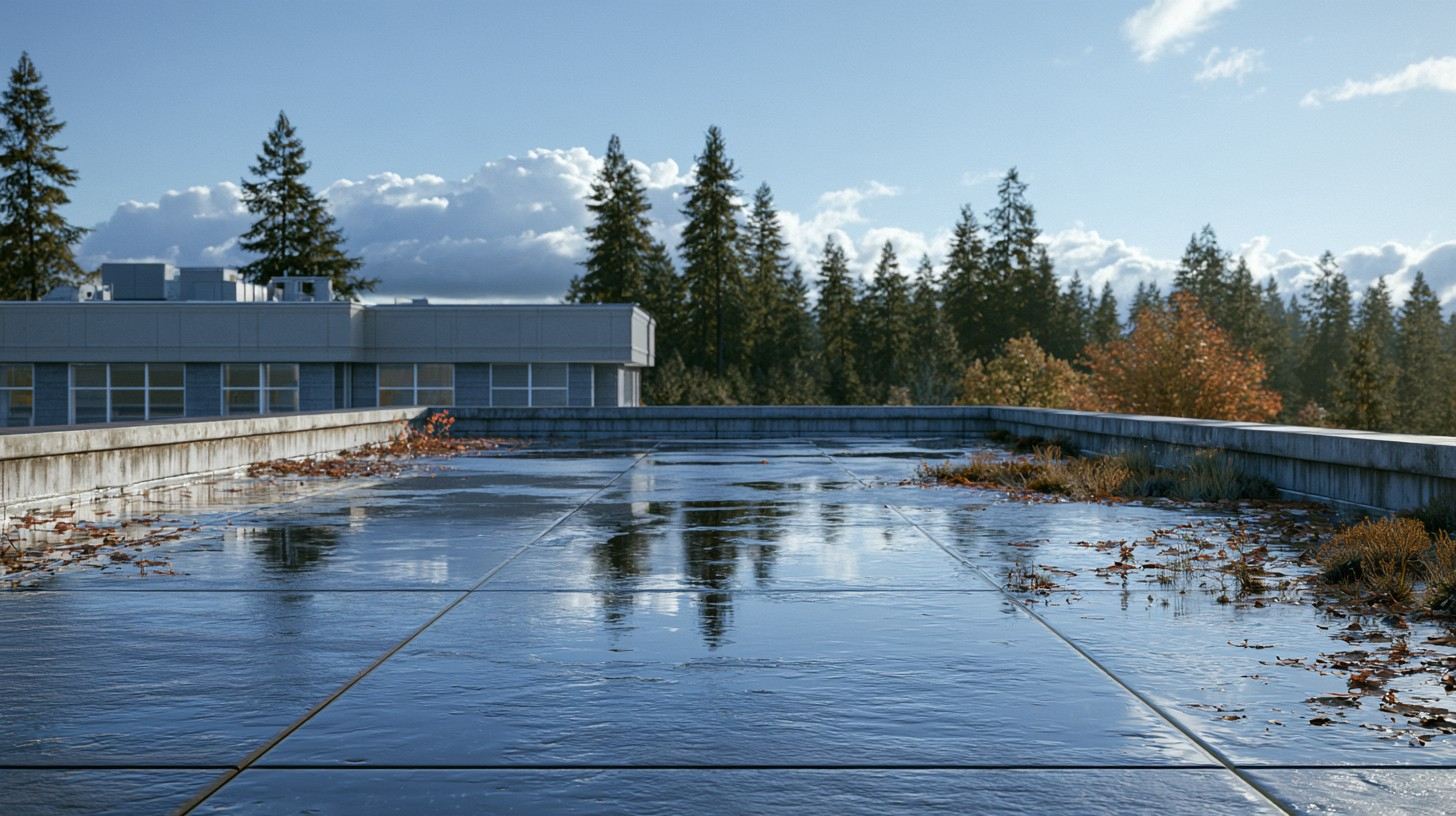
Why Ponding Water on Your Flat Commercial Roof Is a Bigger Problem Than It Looks
September 16, 2026

Commercial Roofing
Why Mercer Island Businesses Need Roof Maintenance
A maintained commercial roof protects not just your building, but your inventory, your equipment, your tenants, and your liability exposure.
March 23, 2026
Commercial Roofing
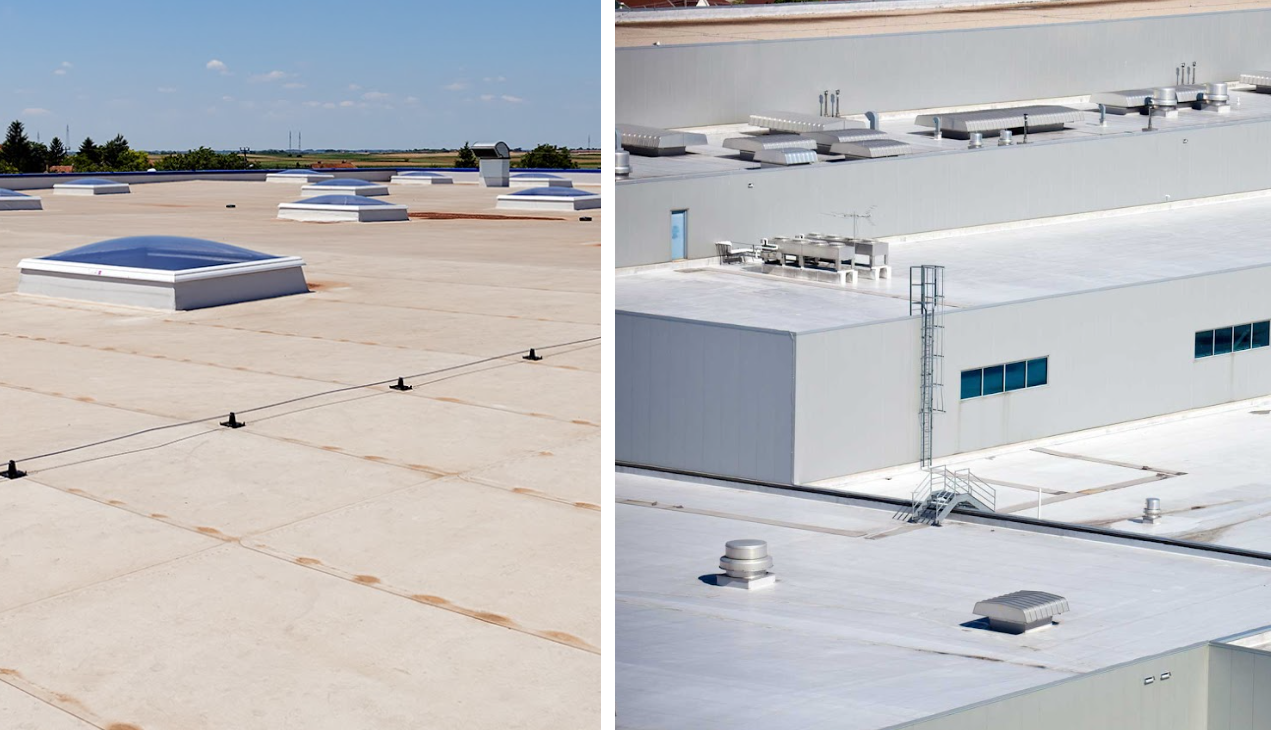
Flat vs. Low-Slope Roofs in Tacoma, WA (Pros & Cons)
Flat and low-slope roofs are not the same thing, the difference in pitch affects drainage, material choice, and long-term performance significantly.
March 12, 2026
Commercial Roofing
Low-Slope Roofing Basics for Federal Way Buildings
This guide breaks down what low-slope roofing really is, why it behaves differently in the Pacific Northwest, and how to keep it performing year after year.
February 9, 2026